
Preparing for a Useful Service Conversation: Upholstery Cleaning Code
For a service conversation about upholstery cleaning code, good preparation begins with photos, access, material information, and an honest history of previous products. An upholstery cleaning code is a manufacturer label such as W, S, WS, or X that gives broad care guidance, but it does not replace fabric identification and testing.
Quick answer
Upholstery Cleaning Code
An upholstery cleaning code is a manufacturer label such as W, S, WS, or X that gives broad care guidance, but it does not replace fabric identification and testing. The useful next step is to document the material, observable condition, previous products or service, timing, access, and desired result, then have the provider confirm what is and is not included.What to remember
- Start with verified material details and observable conditions rather than relying on the label alone.
- Find the care label if available, photograph the full item and problem areas, and avoid assuming that all fabrics or fibers tolerate the same process.
- The provider should document included work, exclusions, preparation, and realistic result limitations before service.
- The final service scope and price are confirmed directly.
Prepare the scope, not just the room
Find the care label if available, photograph the full item and problem areas, and avoid assuming that all fabrics or fibers tolerate the same process. Confirm parking, access, fragile items, larger furniture, utilities, and who can approve changes. The estimate should identify the surface, quantity, included treatment, exclusions, and any result limitations.
- Send photos before scheduling
- Keep care labels available
- Secure pets and fragile items
- Confirm what will and will not be moved
Why this topic matters to the scope
The practical concern behind this search is: The homeowner is unsure what the care tag means for a sofa or chair. The service conversation should separate observable surface conditions from wear, damage, moisture, contamination below the surface, repair needs, or another issue outside routine cleaning.
What to share before requesting an estimate
Find the care label if available, photograph the full item and problem areas, and avoid assuming that all fabrics or fibers tolerate the same process. Accurate details help the business discuss a useful scope without publishing a one-size-fits-all price or outcome.
- ZIP code and access notes
- Material or care label when available
- Wide and close-up photos
- Previous products, age, and recurrence
Important limitation
Cleaning can address suitable surface soil, but it cannot repair failed backing, structural damage, broken material, permanent wear, or an active moisture source.
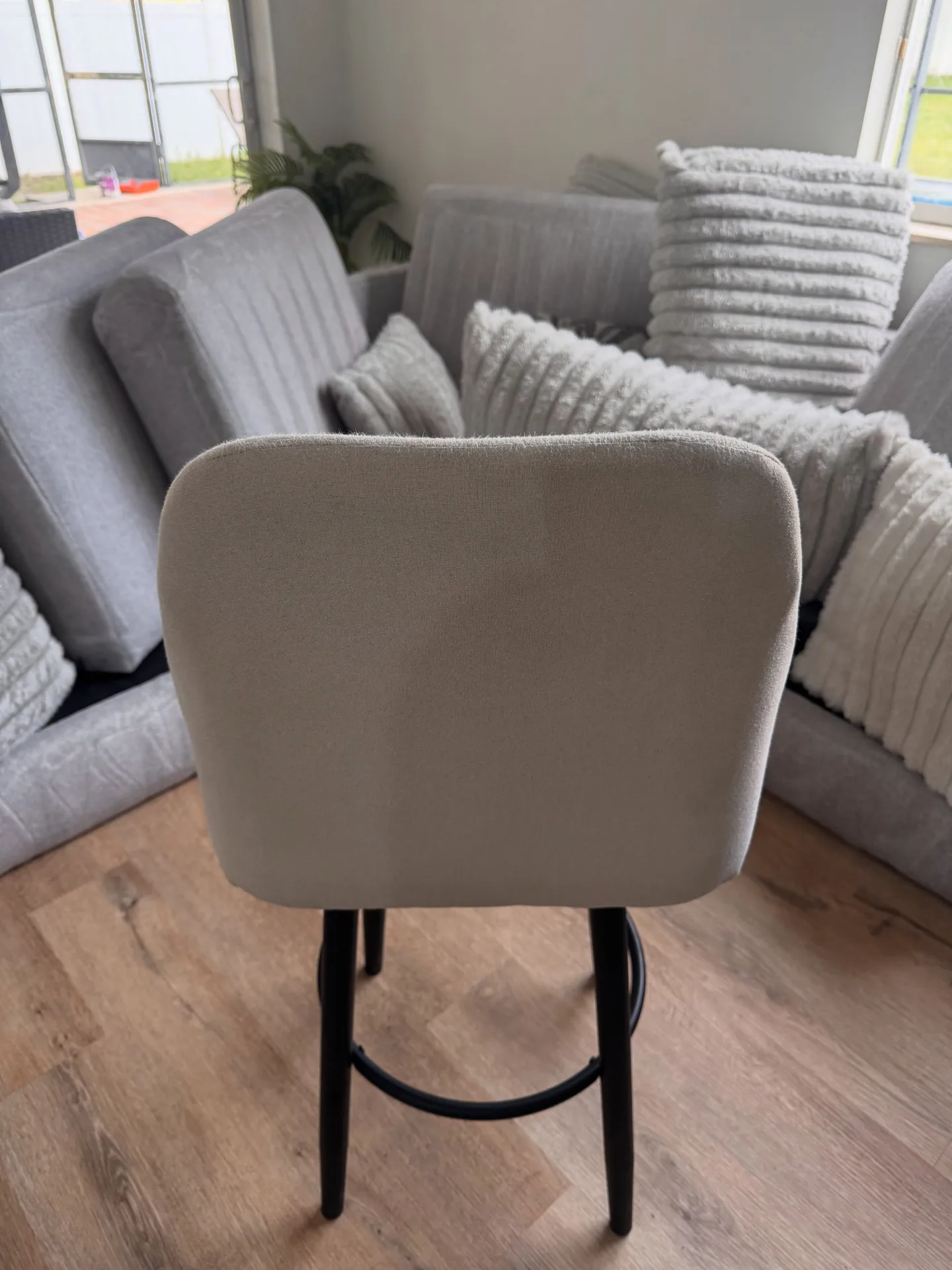
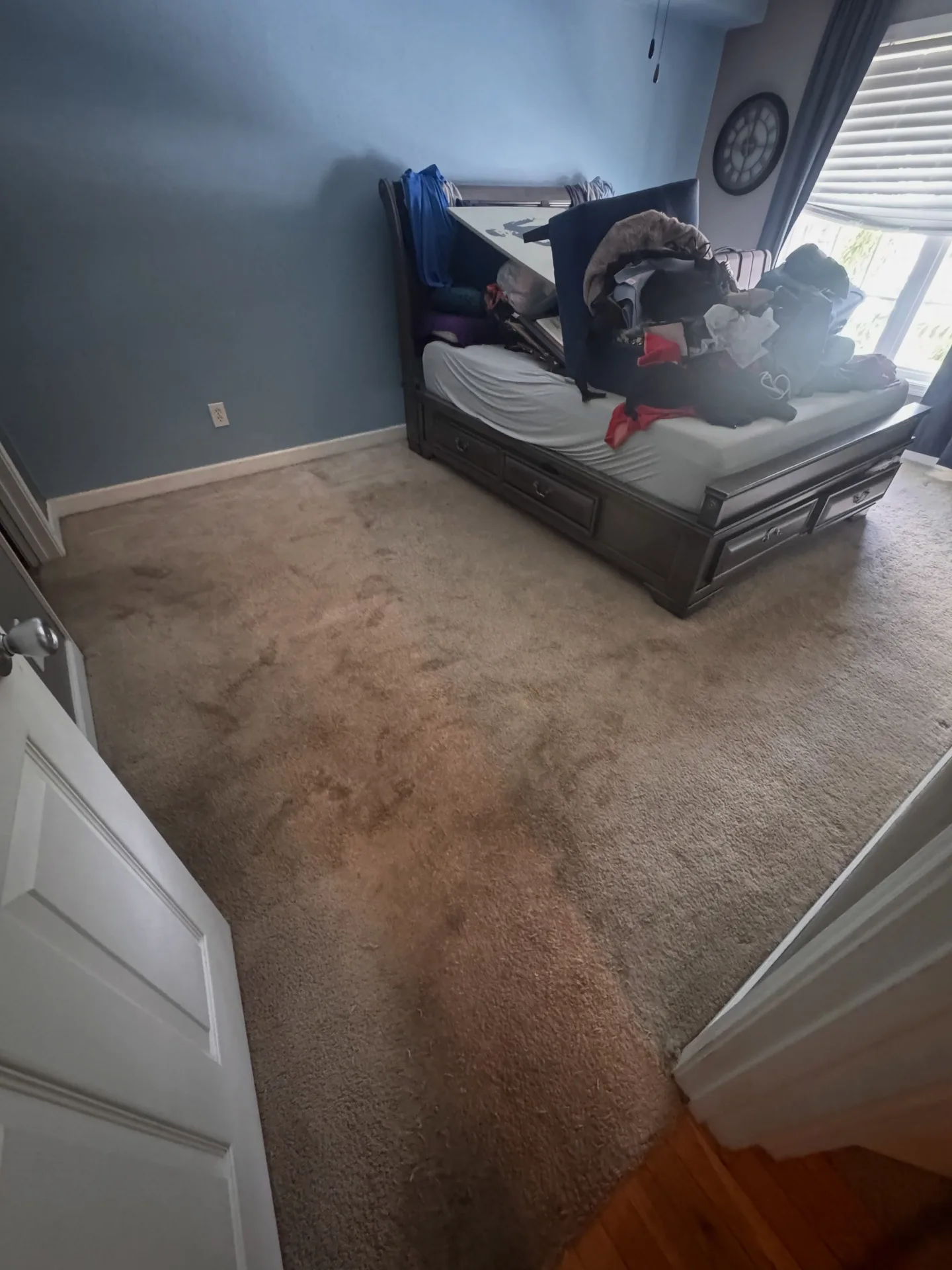
Before. After. Real work.
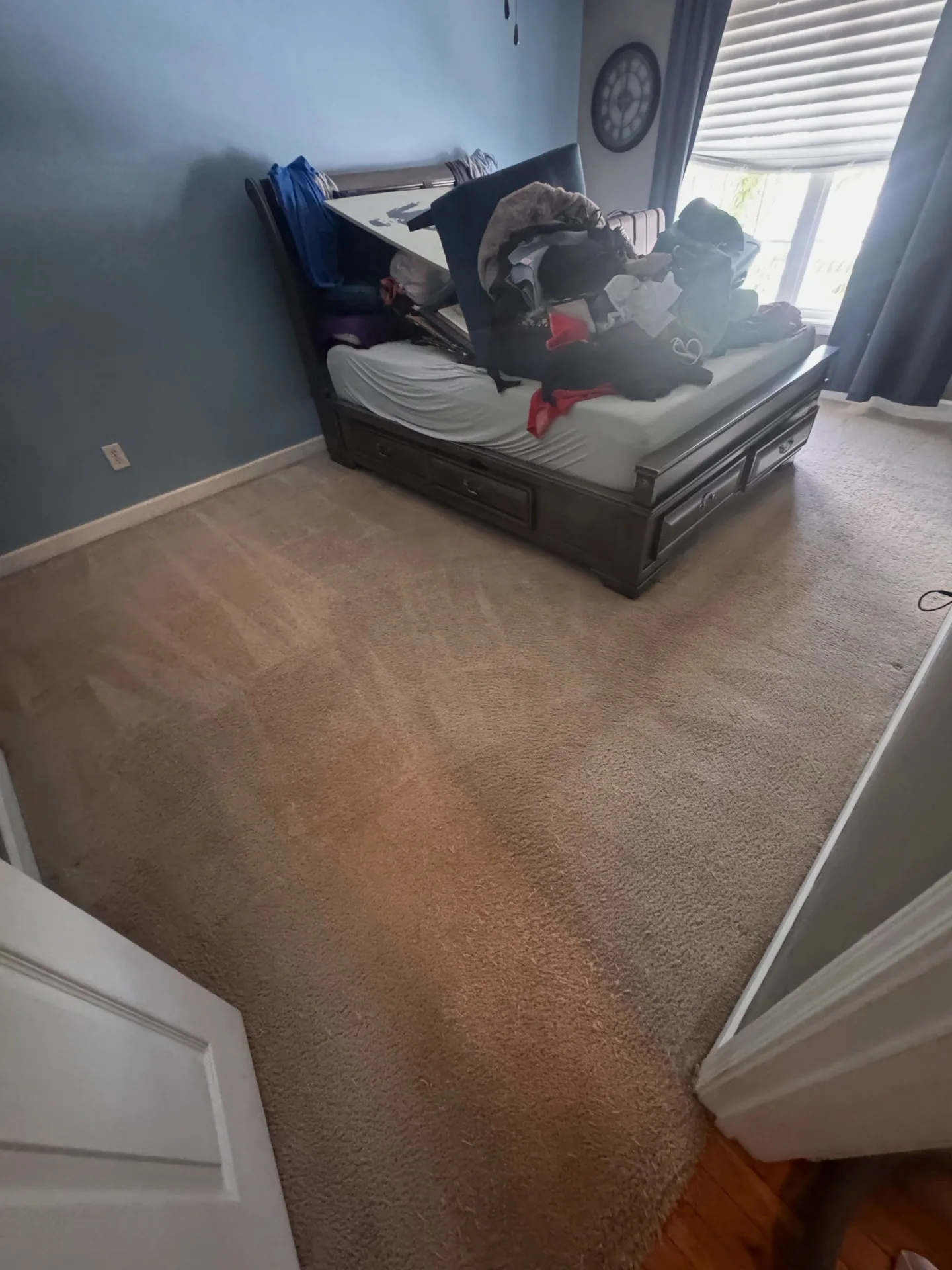
Compare two Everglades upholstery and carpet cleaning projects. Drag the divider to explore the original photos.
Examples of previous work. Results vary with material, condition and inspection; these photos do not represent every service or technique in this guide.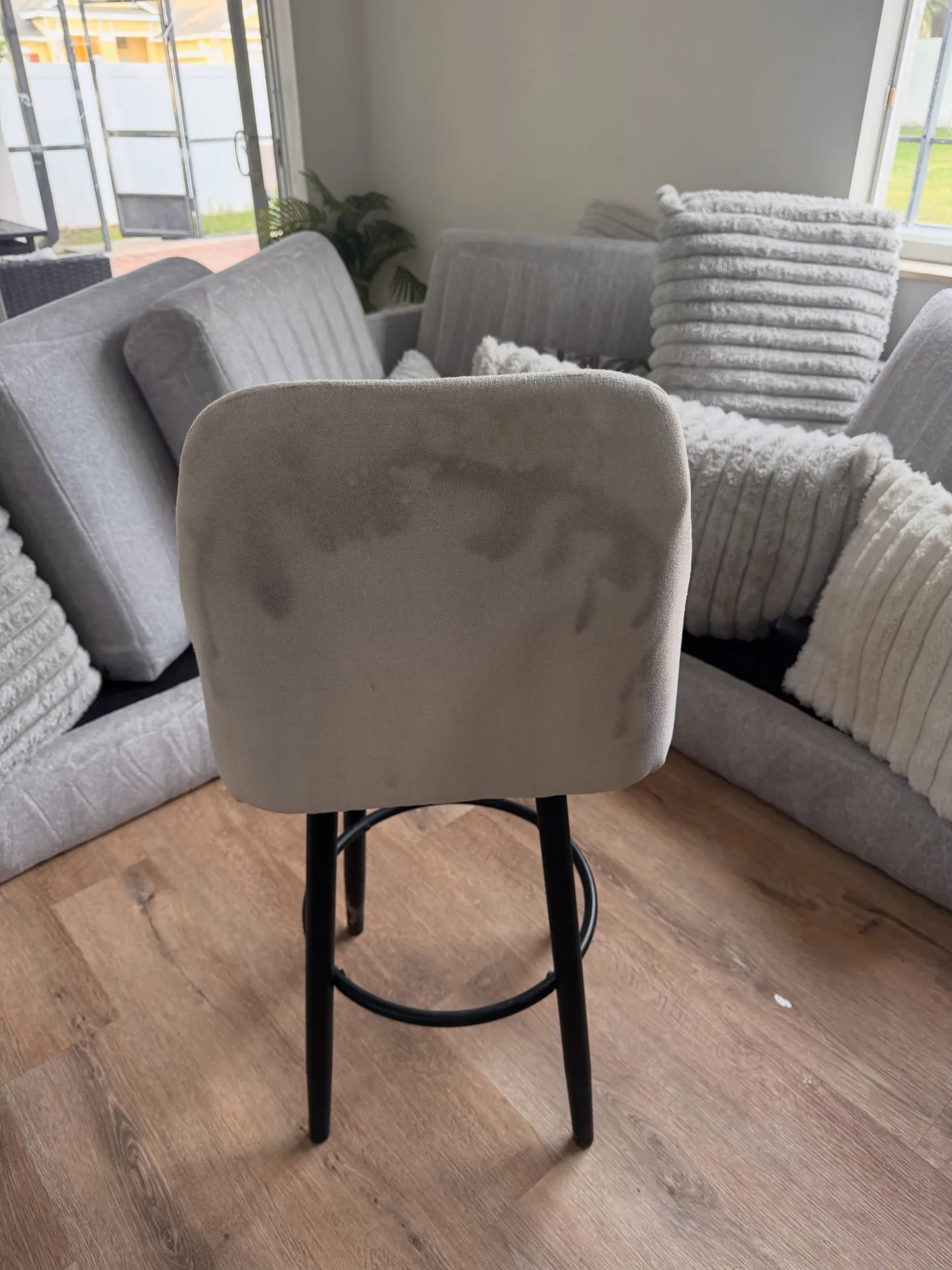
Useful questions
Before you request service.
01Can Everglades Cleaning Solution help scope a request about upholstery cleaning code?+
The team can review photos, material details, the affected area, ZIP code, and service history before confirming whether the requested work fits its cleaning scope. Availability and final scope are confirmed directly.
02Can an outcome related to upholstery cleaning code be guaranteed?+
No responsible result should be guaranteed before the actual material, wear, source depth, previous products, moisture, and condition are assessed. The estimate should document realistic limits.
03What details should I include when asking about upholstery cleaning code?+
Include the ZIP code, clear photos, approximate size or quantity, material or care label, timing, access, source history, and every product already used on the area.