
What Homeowners Should Notice: Musty Carpet Odor
Useful observations for this topic are concrete details: material, visible condition, location, timing, recurrence, odor when relevant, and service history. The focus here is musty carpet odor. A musty carpet odor is a warning sign that moisture, trapped residue, poor drying, or another source may need investigation; ordinary carpet cleaning is not mold remediation.

Quick answer
Musty Carpet Odor
A musty carpet odor is a warning sign that moisture, trapped residue, poor drying, or another source may need investigation; ordinary carpet cleaning is not mold remediation. The useful next step is to document the material, observable condition, previous products or service, timing, access, and desired result, then have the provider confirm what is and is not included.What to remember
- Start with verified material details and observable conditions rather than relying on the label alone.
- Document what you observe, address active moisture or source issues, follow material care guidance, and treat cleaning as one part of ordinary home maintenance rather than medical care.
- The provider should document included work, exclusions, preparation, and realistic result limitations before service.
- The final service scope and price are confirmed directly.
What to observe and document
Record the material, visible condition, location, pattern, timing, recurrence, previous service, and any relevant odor or moisture history. Photograph the whole room or item and then a close view when a visible concern exists. These details clarify the next question without turning an observation into a diagnosis or guaranteed conclusion.
- Wide photo or full-item view for context
- Close photo in neutral light when applicable
- Age, timing, recurrence, and previous-treatment notes
Why this topic matters to the scope
The practical concern behind this search is: A damp or earthy smell appears near carpeted areas. The service conversation should separate observable surface conditions from wear, damage, moisture, contamination below the surface, repair needs, or another issue outside routine cleaning.
What to share before requesting an estimate
Document what you observe, address active moisture or source issues, follow material care guidance, and treat cleaning as one part of ordinary home maintenance rather than medical care. Accurate details help the business discuss a useful scope without publishing a one-size-fits-all price or outcome.
- ZIP code and access notes
- Material or care label when available
- Wide and close-up photos
- Previous products, age, and recurrence
Important limitation
Routine carpet cleaning is not water restoration or mold remediation. Active moisture, contaminated water, structural damage, or suspected growth may need an appropriately qualified specialist. Professional cleaning addresses an appropriate home-maintenance scope only. It cannot identify why a person has symptoms or replace guidance from a qualified healthcare professional.
Before. After. Real work.
Compare two Everglades upholstery and carpet cleaning projects. Drag the divider to explore the original photos.
Examples of previous work. Results vary with material, condition and inspection; these photos do not represent every service or technique in this guide.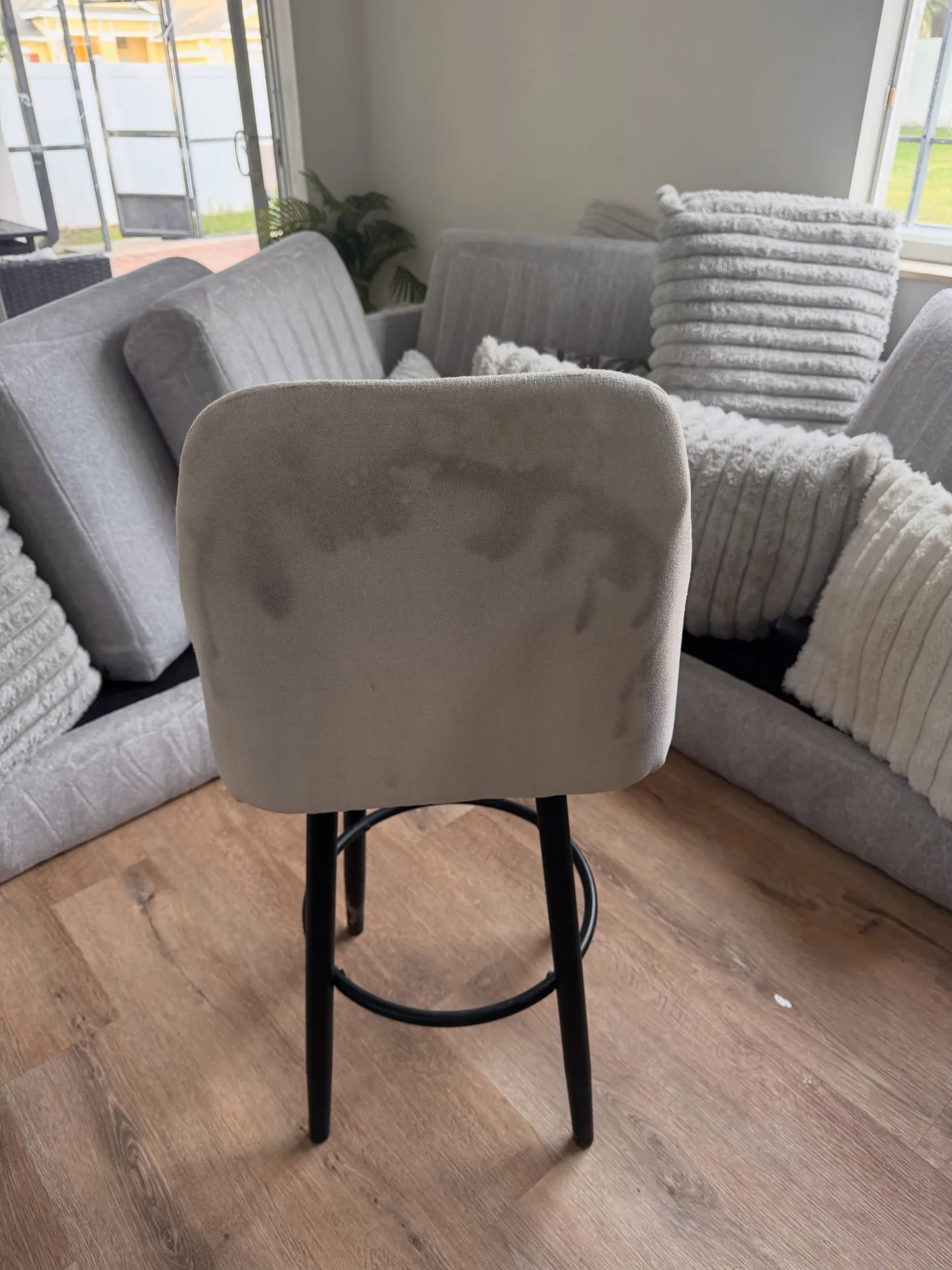

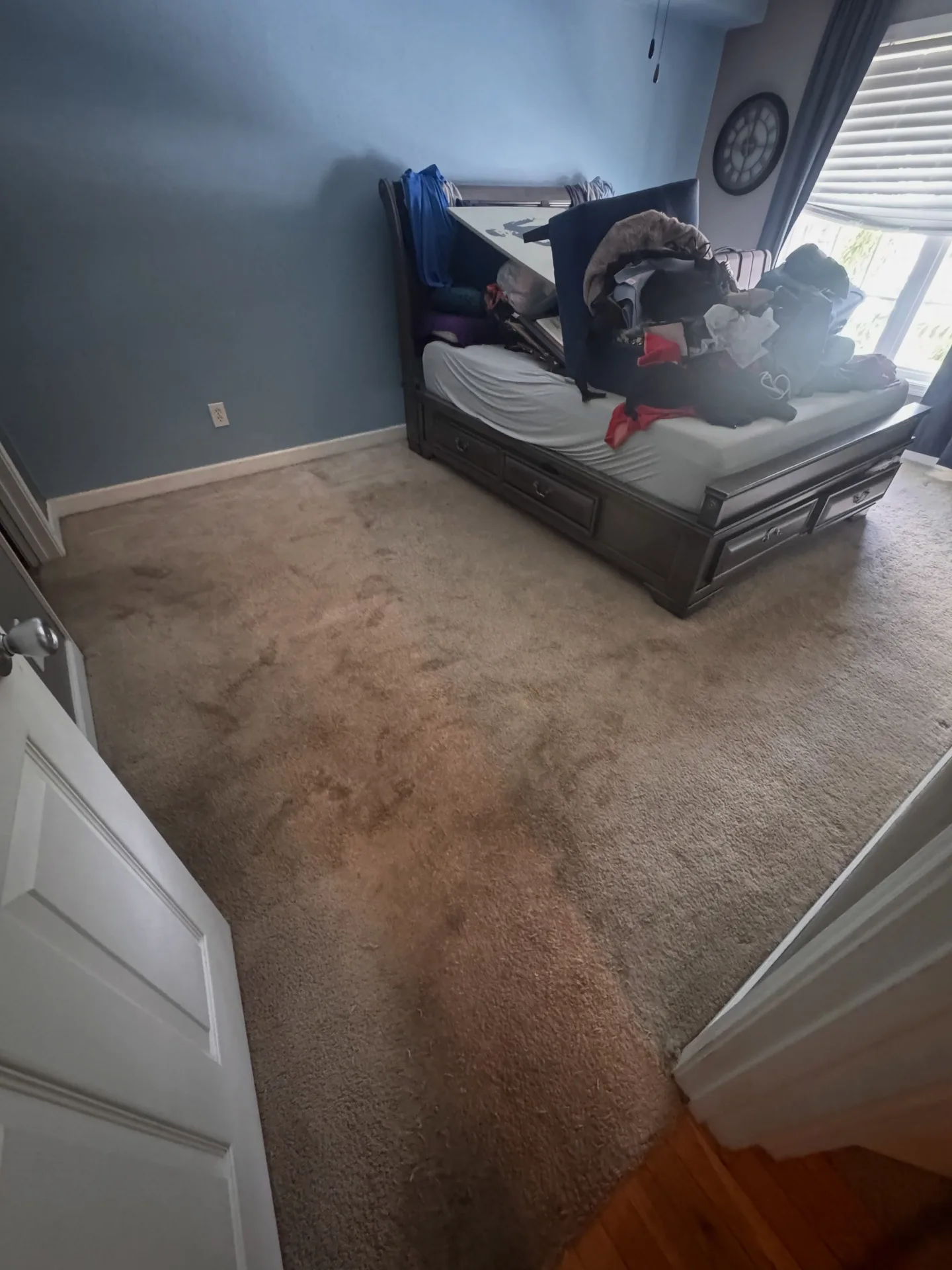
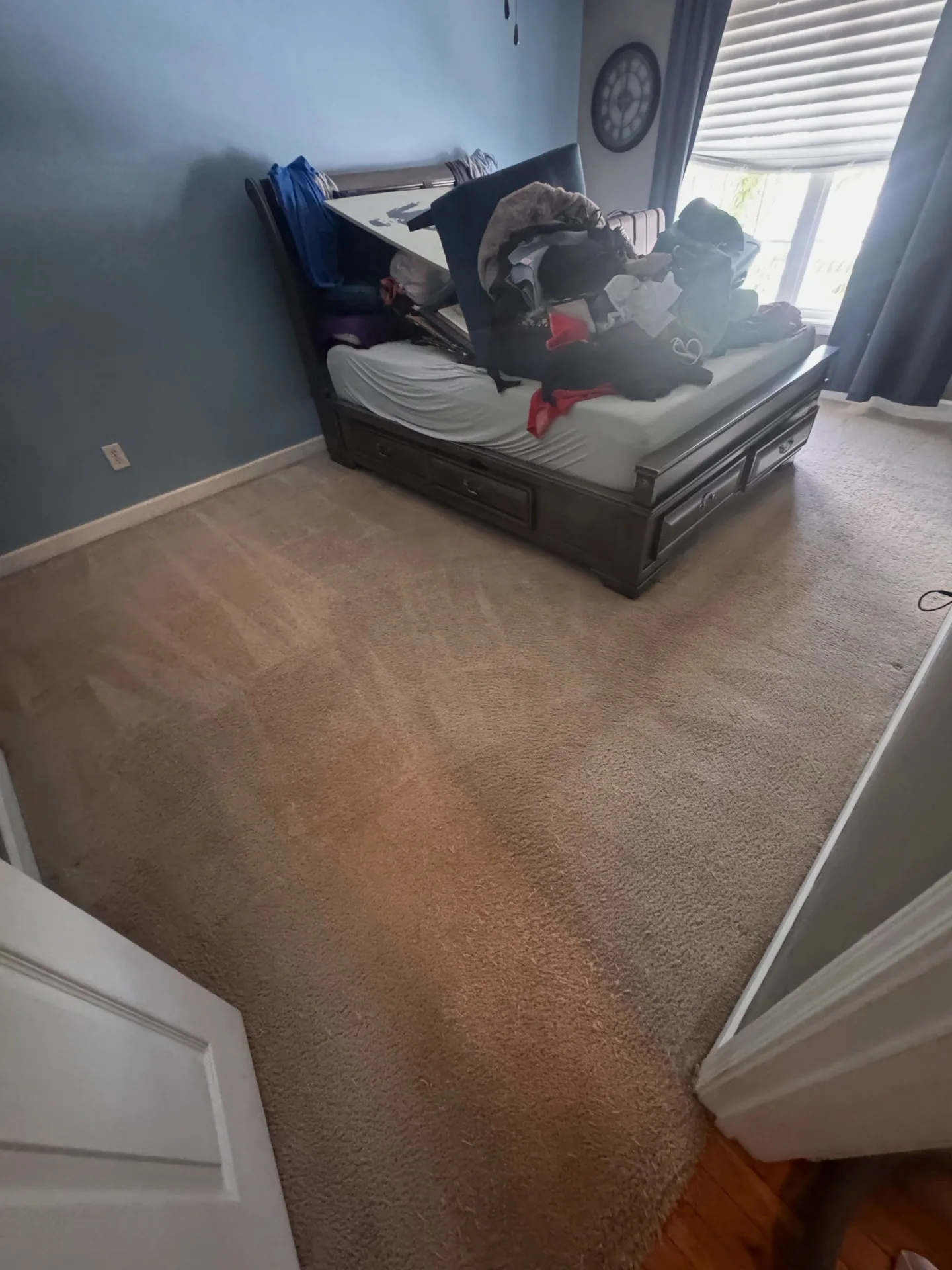
Useful questions
Before you request service.
01Can Everglades Cleaning Solution help scope a request about musty carpet odor?+
The team can review photos, material details, the affected area, ZIP code, and service history before confirming whether the requested work fits its cleaning scope. Availability and final scope are confirmed directly.
02Can an outcome related to musty carpet odor be guaranteed?+
No responsible result should be guaranteed before the actual material, wear, source depth, previous products, moisture, and condition are assessed. The estimate should document realistic limits.
03What details should I include when asking about musty carpet odor?+
Include the ZIP code, clear photos, approximate size or quantity, material or care label, timing, access, source history, and every product already used on the area.
Primary references