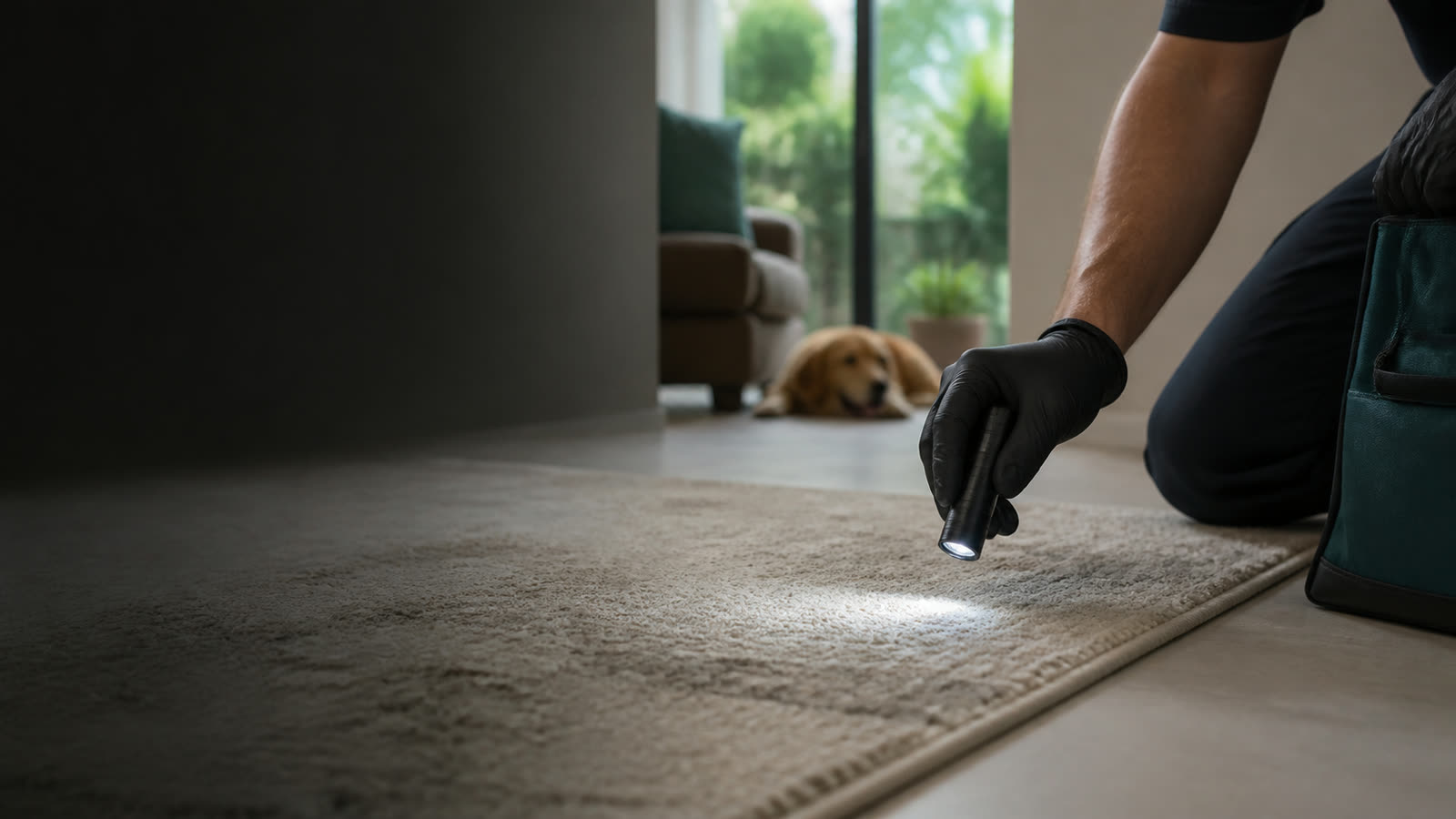
 Ink Stain in Carpet
Spots and odors
Central Florida heat, indoor cooling, rain, tracked-in soil, and humidity can affect a service decision involving ink stain in carpet, though the material and source still matter most. An ink stain contains dyes, pigments, and solvents that vary by pen or marker type, so aggressive rubbing or improvised chemicals can enlarge or set it.
Ink Stain in CarpetSpots and odors
For ink stain in carpet, common mistakes include treating a label as proof of cause, omitting material or product history, and assuming one method or outcome fits every condition. An ink stain contains dyes, pigments, and solvents that vary by pen or marker type, so aggressive rubbing or improvised chemicals can enlarge or set it.
Ink Stain in CarpetSpots and odors
Everglades Cleaning Solution frames ink stain in carpet as part of a service-planning conversation—not as a promise detached from the material and condition in front of the team. An ink stain contains dyes, pigments, and solvents that vary by pen or marker type, so aggressive rubbing or improvised chemicals can enlarge or set it.
Ink Stain in CarpetSpots and odors
Several factors belong in this decision or assessment: material, use, condition, moisture, previous treatment, access, and the desired outcome. The focus here is ink stain in carpet. An ink stain contains dyes, pigments, and solvents that vary by pen or marker type, so aggressive rubbing or improvised chemicals can enlarge or set it.
Ink Stain in CarpetSpots and odors
Useful follow-up for ink stain in carpet means recording what was done, the instructions that apply, any drying or curing needs, and the questions that remain. An ink stain contains dyes, pigments, and solvents that vary by pen or marker type, so aggressive rubbing or improvised chemicals can enlarge or set it.
Ink Stain in CarpetThis guide about ink stain in carpet helps Horizon West homeowners prepare useful details before requesting service. Everglades confirms availability by ZIP rather than assuming every address is in range. An ink stain contains dyes, pigments, and solvents that vary by pen or marker type, so aggressive rubbing or improvised chemicals can enlarge or set it.
Ink Stain in CarpetSpots and odors
A short, documented assessment of ink stain in carpet helps a cleaning company prepare a more accurate scope. It also reduces surprises on the service day. An ink stain contains dyes, pigments, and solvents that vary by pen or marker type, so aggressive rubbing or improvised chemicals can enlarge or set it.
Ink Stain in CarpetSpots and odors
Understanding ink stain in carpet helps a homeowner compare options, describe the concern clearly, and approve an appropriate service scope. An ink stain contains dyes, pigments, and solvents that vary by pen or marker type, so aggressive rubbing or improvised chemicals can enlarge or set it.
Ink Stain in CarpetSpots and odors
For a service conversation about ink stain in carpet, good preparation begins with photos, access, material information, and an honest history of previous products. An ink stain contains dyes, pigments, and solvents that vary by pen or marker type, so aggressive rubbing or improvised chemicals can enlarge or set it.
Ink Stain in CarpetSpots and odors
The right questions about ink stain in carpet make the estimate easier to compare and the limitations easier to understand. An ink stain contains dyes, pigments, and solvents that vary by pen or marker type, so aggressive rubbing or improvised chemicals can enlarge or set it.
Ink Stain in CarpetSpots and odors
A provider should explain how ink stain in carpet affects inspection, the proposed work, exclusions, and realistic result expectations. An ink stain contains dyes, pigments, and solvents that vary by pen or marker type, so aggressive rubbing or improvised chemicals can enlarge or set it.
Ink Stain in CarpetSpots and odors
Useful observations for this topic are concrete details: material, visible condition, location, timing, recurrence, odor when relevant, and service history. The focus here is ink stain in carpet. An ink stain contains dyes, pigments, and solvents that vary by pen or marker type, so aggressive rubbing or improvised chemicals can enlarge or set it.